Why Family-Style Senior Care Houses Are Perfect for Memory Care Homeowners
@fernandoggsu551
September 26, 2026 · 22 min read
Business Name: BeeHive Homes of St George Snow Canyon
Address: 1542 W 1170 N, St. George, UT 84770
Phone: (435) 525-2183
BeeHive Homes of St George Snow Canyon
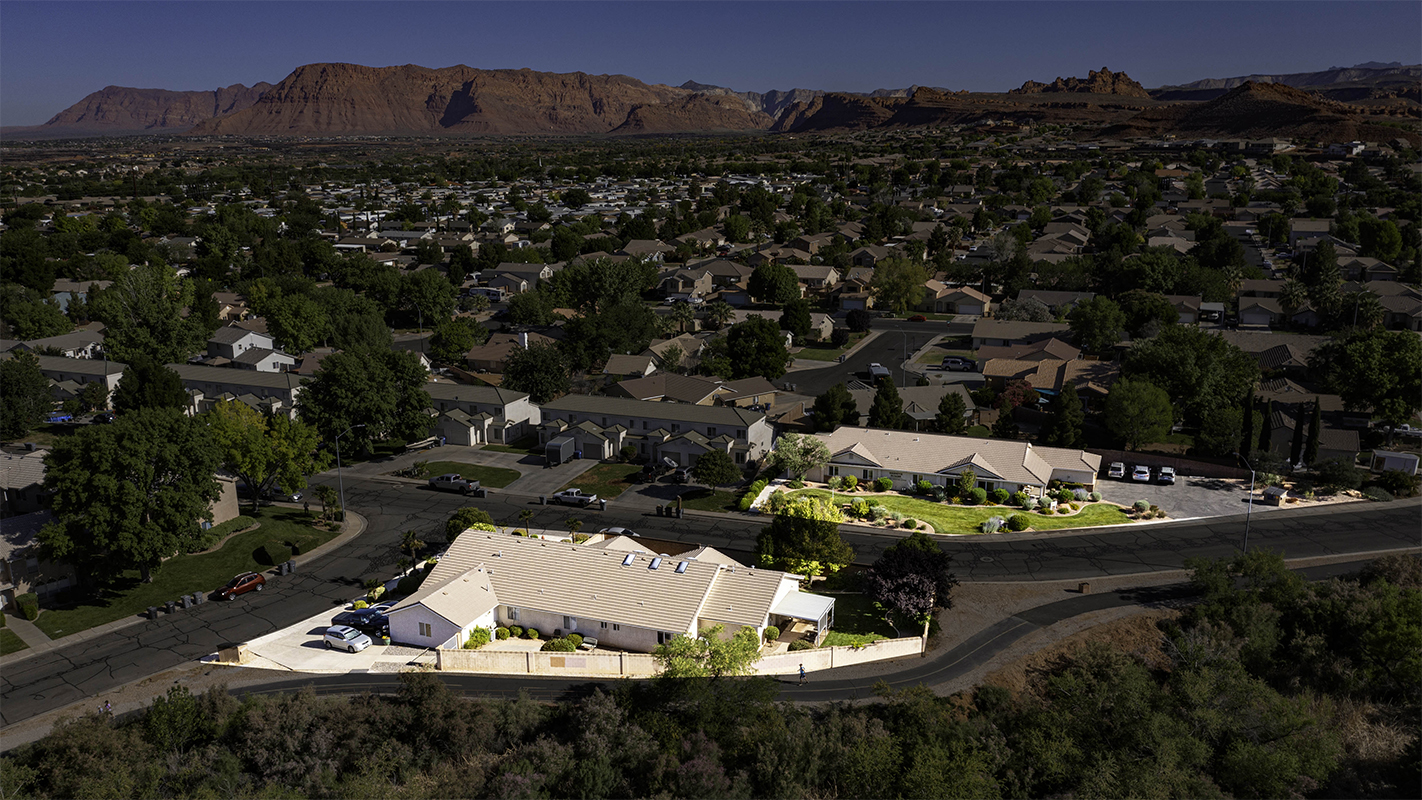
Located across the street from our Memory Care home, this level one facility is licensed for 13 residents. The more active residents enjoy the fact that the home is located near one of the popular community walking trails and is just a half block from a community park. The charming and cozy decor provide a homelike environment and there is usually something good cooking in the kitchen.
1542 W 1170 N, St. George, UT 84770
Business Hours
Families usually start checking out senior care choices after something specific occurs: a fall, roaming episode, a frightening call at night, or a slow realization beehivehomes.com respite care that a parent with dementia is no longer safe at home. The search frequently results in shiny pamphlets for big assisted living neighborhoods that look excellent on paper, yet feel overwhelming or impersonal when you stroll the halls.
Then there is an extremely different model: the little, family-style senior care home, in some cases called a residential care home, board-and-care, or group home. It feels and look like a home, due to the fact that it is a house. There may be 6 to 10 homeowners, familiar personnel, and a cooking area that always smells like somebody is cooking.
For many individuals with dementia, that smaller, homelike environment is not simply more pleasant. It can be medically and mentally much better matched to how their brains now work.
As someone who has invested years walking with families through memory care choices, I have viewed nervous, agitated locals relax within days of moving into a well-run family-style home. I have also seen situations where a bigger assisted living neighborhood made more sense. The key is comprehending what this design uses, where it shines for dementia care, and where its limits are.
What "family-style" actually suggests in senior care
The term "family-style" is not a legal classification. It explains a setting that feels more like a personal home than an institution.
In most states, these homes are certified as little assisted living, residential care, or adult family homes. Regulations vary, but the core idea is consistent: a little number of citizens living together in a house, supported by caregivers around the clock.
Family-style usually indicates several concrete functions:
Residents share typical living areas like a normal home, rather than navigating long passages and big dining halls. Meals are prepared in a domestic kitchen area, typically with residents nearby, smelling food and watching the familiar rhythm of cooking. Bed rooms are embellished, sometimes with individual furniture, images, and quilts from home. Team member frequently do numerous functions: they might help with bathing in the morning, cook lunch, and after that lead an afternoon walk.
For a person dealing with dementia, those details are not cosmetic. They directly affect orientation, sense of safety, and everyday functioning.
Why the environment matters a lot in memory care
Dementia changes how a person processes the world. Sound blends together. Long corridors feel limitless. Complex options are tiring. Unexpected motions or unknown faces can activate fear or aggressiveness. When people with cognitive impairment seem "difficult," they are often responding to an environment created for healthy adult brains.
In a large senior care community, a resident with dementia may require to:
Find the elevator, keep in mind which floor is theirs, determine the right corridor, acknowledge their door among lots of, and tune out statements, Televisions, and other residents.
On bad days, that is merely too much. People get lost, annoyed, or ashamed. They might stay in their rooms to avoid that overwhelm, which leads to isolation, minimized movement, and more fast decline.
In a family-style senior care home, navigation is simpler. There might be one level, a small number of doors, and staff who know you all right to discover little modifications. The kitchen area, living space, and garden are generally nearby and visible, offering constant visual cues.
One resident I dealt with, a retired teacher with mid-stage Alzheimer's, ended up being practically mute after moving into a big assisted living community. Within a week of moving into a family-style home, she was sitting near the kitchen area, talking about the soup, humming in addition to the radio, and periodically offering mild "instructions" to a caregiver as if she were back in her class. The change was not magic. It was the environment.
The power of familiarity and routine
Most people with dementia rely greatly on procedural memory, the "how to" memory that often outlasts factual recall. They might not remember what they had for breakfast, however they still know how to fold towels or stir a pot of soup. A great memory care setting builds everyday routines around that remaining strength.
Family-style homes excel at this because daily life is naturally developed around common household jobs:
Caregivers can invite locals to assist set the table, fold laundry, or stir batter, in small, supported ways. You hardly ever see laminated "activity calendars"; you see real-life tasks woven into the day. Since there are less homeowners, personnel can learn what everyone used to take pleasure in. One previous gardener might water plants each early morning. A retired mechanic might "assist" inspect the wheels on walkers.
This sort of normal, purposeful activity can minimize habits that get identified as "wandering" or "agitation." Often, an individual is pacing or searching since they are tired, distressed, or under-stimulated. Providing simple, familiar jobs can reroute that energy into something that feels meaningful.
Larger assisted living communities can also supply purposeful engagement, but it is usually structured as arranged activities in a group room. Some locals grow on that format. Lots of with dementia do much better with quieter, individually jobs in a familiar kitchen or living room.
Relationship-based care instead of task-based care
One of the hardest parts of caring for an individual with dementia is translating their behavior. An unexpected refusal to bathe may be about modesty, worry of falls, an agonizing shoulder, or a past trauma. You can just figure it out if you know the person well.
In a family-style senior care home, the staff-to-resident ratio is typically greater than in big centers, and the group is smaller sized. That implies:
Caregivers see the same eight approximately individuals every day, typically for months or years. They learn everyone's patterns: how Mr. S likes his coffee, the tunes that relax Mrs. K, the early indications that someone is getting a urinary tract infection. When someone with dementia becomes upset, the staff is more likely to know whether they are usually triggered by sound, cravings, pain, or a particular time of day.
I have actually seen caregivers in these homes redirect a brewing meltdown with an easy, well-timed hint: "Come help me find the blue towel," or "Let's go check the mail together." That type of ability comes from repetition and familiarity, not from a manual.
In a larger memory care system inside an assisted living neighborhood, staff might be caring for a lot more locals on a shift. Outstanding caregivers work in those settings too. However, time pressure and frequent personnel turnover can make it more difficult to develop deep, individualized understanding of each person's history and triggers.
For households, relationship-based care has another advantage: much easier interaction. With a smaller sized group, you are more likely to talk with the very same few individuals about your parent's altering requirements, instead of retelling the story to a brand-new nurse or care assistant every month.
Safety without feeling like a locked ward
Families typically worry that a small home will be less safe, especially if their loved one is susceptible to roaming or exit seeking. Security is a genuine concern, and every home, big or little, need to meet state regulations.
Good family-style memory care homes balance safety with dignity in ways that often feel gentler than a large, institutional memory care unit.
Doors may be secured, however they are normally common residential doors, sometimes camouflaged to decrease visible "exit" cues. Outdoor spaces are often fenced yards or gardens, where locals can stroll easily within an included location. With fewer people walking around, personnel can more easily see who is near an exit, who seems disoriented, and who needs extra guidance on a provided day.
In contrast, big memory care wings inside assisted living neighborhoods can feel more like managed environments, with buzzer doors, alarmed stairwells, and coded elevators. Those features are needed for safety, however the environment can remind both citizens and families of healthcare facility wards or locked units.
A well-run small home can provide equal or greater security for people with dementia, specifically those who benefit from eyes-on supervision and regular check-ins. That stated, the quality differs extensively. Some homes excel at balancing flexibility and protection. Others are understaffed or poorly developed. Households need to evaluate the specific environment, not just the size.
Why sensory environment is vital in dementia care
The human brain continuously filters sensory input. Dementia compromises that filter. What feels like a regular lounge to you can seem like chaos to a person coping with cognitive impairment.
Large dining-room with clattering dishes, background music, and half a dozen conversations simultaneously can be frustrating. Brilliant overhead lights, patterned carpets, and busy wall decors might look festive however boost confusion for somebody who already has a hard time to analyze signals from their eyes and ears.
Family-style homes typically have smaller, quieter common areas. Meals often involve a single table or 2, not a space of fifty. Noise levels remain closer to what you would expect in a household home.
This calmer sensory landscape assists homeowners:
Focus on one conversation or task at a time. Hear staff directions more clearly. Feel less distressed during transitions like meals, toileting, or bedtime.
I as soon as observed a resident who regularly declined to eat in a big assisted living dining-room. Personnel assumed it was a swallowing issue. When he moved into a little residential care home, sitting at a table with 4 others rather of forty, his appetite returned. The swallowing problem was real, however the noisy setting had actually been the larger barrier.
Memory care is not only about medication and supervision. It is also about creating an environment where the brain does not need to work so hard simply to translate standard stimuli.
Family participation typically feels more natural
When a loved one moves into senior care, families stress they are "putting them away." The physical environment either strengthens that fear or assists soften it.
Walking into a big assisted living or memory care structure often indicates navigating reception desks, visitor sign-in processes, visitor hours, and rules. Those systems protect locals, however they can produce a psychological distance.
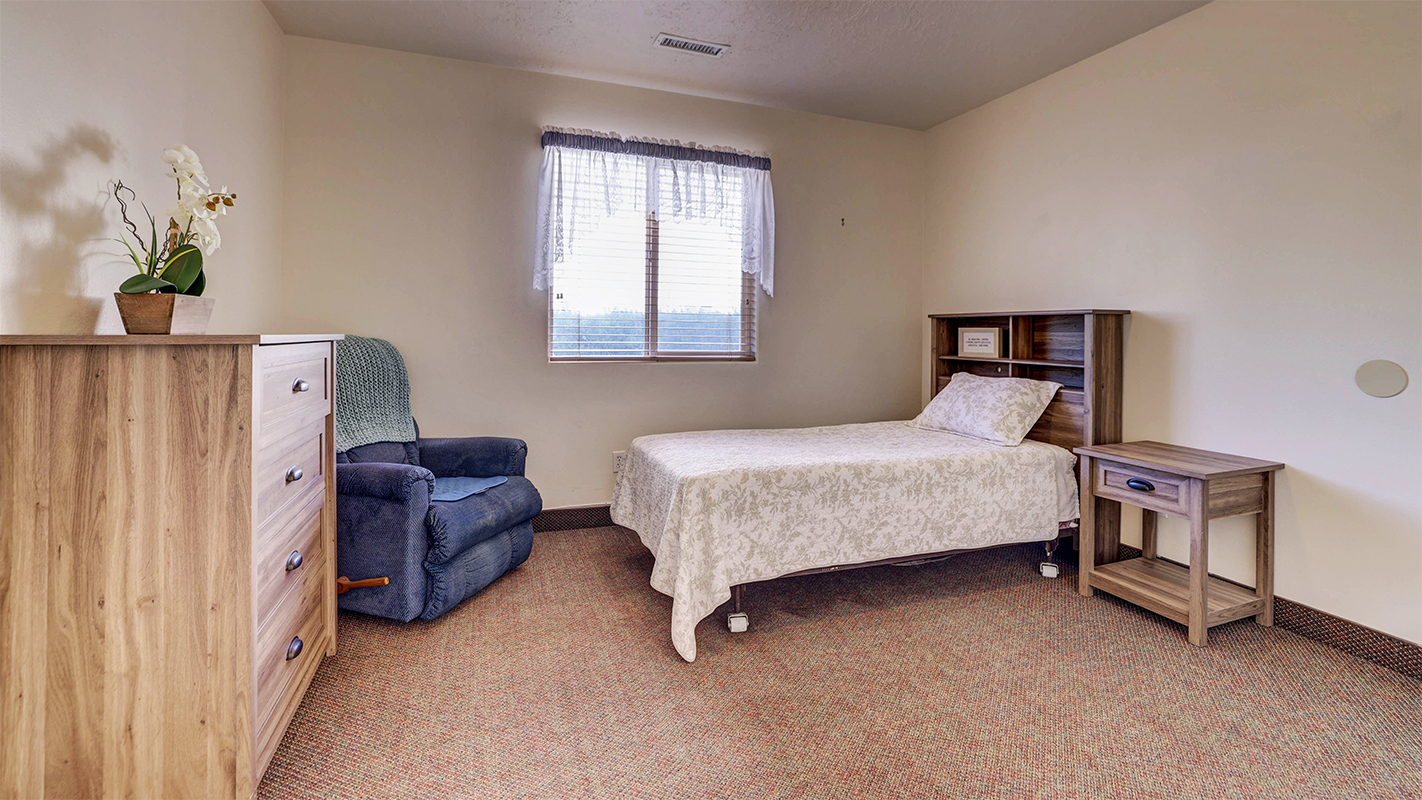
A family-style memory care home generally feels more like checking out a relative's home. You sound a doorbell or use an essential code, say hey there in the cooking area, and rest on the sofa with your mom. You might share a cup of coffee at the very same table where residents consume breakfast.
This less official setup makes it much easier for families to:
Drop by for brief, regular visits instead of periodic long ones. Take part in common activities, like sharing a meal or assisting with holiday designs. Observe how personnel communicate with citizens, which develops trust and accountability.
Family members typically tell me they feel more like partners in care when their loved one remains in a little home. They become part of the rhythm, not just visitors to a facility.
Of course, some bigger communities actively encourage family participation and design welcoming spaces. Again, the key is not the marketing language but the lived experience when you stroll in at 4 p.m. On a Tuesday.
Cost, staffing, and accessibility: the useful trade-offs
Family-style senior care homes have numerous strengths for dementia care, but they are not best for every situation.
Cost differs widely by area, but several patterns show up often:
Small residential care homes can be more economical than large assisted living facilities in some markets, particularly if the latter deal extensive facilities that a person with dementia might barely use. In other areas, high-quality family-style homes charge a premium, especially if they provide true one-to-one or two-to-one care for homeowners with intricate behaviors.
Staffing is another double-edged sword. A small home may have one caregiver for every single 3 or 4 locals during the day, which is an outstanding ratio for memory care. However, over night there might be simply one awake employee for the whole home. For a resident who requires frequent two-person transfers or constant medical tracking, that can be a problem.
Larger assisted living neighborhoods with memory care systems often have nurses on-site or on-call, in addition to closer relationships with going to physicians, physical therapists, and hospice suppliers. A little home might rely more heavily on outdoors providers who visit less frequently.
Availability can restrict choice too. In many areas, high-quality family-style homes remain in short supply. The best ones fill rapidly by word of mouth. If your parent needs a rapid discharge from a hospital or rehab center, you might find more immediate openings in larger communities.
For extremely complex dementia care, such as residents with extreme behavioral problems, advanced Parkinson's, or feeding tubes, even the best family-style home might not be accredited or staffed to satisfy those requirements. A specialized memory care system or knowledgeable nursing facility might be more appropriate.
The choice is not "small homes great, big buildings bad." It has to do with matching your loved one's needs with the real strengths of the particular place you are considering.
When respite care in a family-style home makes sense
Not every household is all set for an irreversible relocate to senior care. Lots of are looking after a loved one with dementia in the house, however need breaks. This is where respite care becomes important.
Respite care means short-term stays, often from a couple of days approximately numerous weeks. In my experience, family-style homes can be ideal settings for respite stays for several reasons.
A person with dementia is often more willing to remain "at a home with some great individuals" than at a huge, unfamiliar neighborhood that looks more like a hotel or medical facility. The smaller environment makes it much easier for short-term personnel to learn a new resident's patterns rapidly. Respite can work as a trial run. Households see how their loved one responds to a little group home, and the staff can examine whether the home can safely fulfill continuous needs if a permanent relocation ends up being necessary.
For caretakers who are exhausted, a week or more of respite in a family-style setting can secure both their health and the relationship with the individual they enjoy. I have seen marital relationships, tasks, and caretaker mental health restored because someone lastly accepted that they required structured respite rather of attempting to "press through."
Not all family-style homes offer respite care, and those that do may have limited availability. It deserves asking early, before a crisis hits.
Questions to ask when touring a family-style memory care home
Because little residential care homes vary so much in quality, a thoughtful visit is vital. The following focused checklist can assist you examine whether a specific home is appropriate for dementia care:
-
Staffing and experience
Ask the number of caregivers are on each shift, what dementia-specific training they get, and for how long personnel normally remain. Consistent, experienced staff matter more than a designer kitchen. -
Environment and routine
Notification noise levels, lighting, and clutter. Ask what a normal day appears like for homeowners, and whether regimens can be adapted to your loved one's habits and preferences. -
Health and safety
Clarify how they manage falls, medical emergencies, wandering dangers, and hospitalizations. Ask about collaborations with home health, hospice, or visiting doctors. -
Resident mix
Observe the present homeowners. Are they mostly similar in function to your loved one, or considerably basically impaired? A huge inequality can cause aggravation for everyone. -
Family communication
Ask how the home keeps families informed, how often care strategies are evaluated, and whether you are encouraged to visit at varied times of day.
Treat the tour like you are evaluating a school for a child: trust your senses, ask specific follow up concerns, and do not disregard a nagging sensation that something is "off."
Comparing family-style homes to larger assisted living memory care
Families typically feel torn between a little home and a bigger assisted living community with a devoted memory care unit. Both models can provide solid dementia care if they are well run. It assists to think in regards to fit, not general superiority.
In really broad strokes:
A family-style senior care home is usually better for someone who is quickly overwhelmed by noise, needs close supervision with a familiar face, or grows in predictable, pleasant regimens. They are often ideal for late-stage dementia citizens who no longer require massive activities but do need hands-on individual care and a calm environment.
A larger assisted living community with memory care may be preferable for someone in earlier stages who delights in more social variety, can navigate larger areas with support, and wants access to on-site amenities like treatment health clubs, chapels, hair salons, or structured group programs. These neighborhoods can likewise be much better if your loved one has considerable medical intricacy that takes advantage of on-site nursing coverage.
The choice can alter gradually. Some families start in a bigger neighborhood and move to a little home when the disease advances. Others do the reverse. Dementia is a long journey. The ideal setting today may not be the right setting three years from now.
How to prepare a loved one for the move
Even when a family-style home is plainly the right choice for memory care, the real move is hardly ever easy. People with dementia might withstand modification, cling to familiar environments, or reveal anger and fear.
A few concepts, drawn from numerous moves I have supported, can make the transition smoother:
-
Focus on feelings, not facts
Arguing about the requirement for care hardly ever works. Rather of noting factors, stress security, companionship, or particular positives: "There are people to assist you during the night" or "You will not be alone if you fall once again." -
Bring the familiar
Set up the brand-new room with recognizable furnishings, bed linen, images, and favorite items. Place items in similar positions to their old room when possible. Familiar cues assist orient and comfort. -
Avoid abrupt goodbyes
If your loved one is distressed, remaining for a while after the move, sharing a meal, or helping unload can relieve the shock. In many cases, nevertheless, an extended, tearful farewell makes things even worse. Ask the personnel what usually works finest in their experience. -
Give it time
It is regular for the very first days or weeks to be rocky. Sleep might be interfered with, habits may alter, and you might question the choice. Barring a serious security issue, provide the new setting at least several weeks before making huge changes. -
Coordinate with the care team
Share comprehensive details with the home before and during the move: case history, triggers, long-lasting regimens, preferred foods, fears, and calming strategies. This gives personnel a head start in individualizing care.
A thoughtful move-in procedure can expose the strengths of family-style memory care more quickly and minimize the psychological toll on both resident and family.
Seeing memory care as a shared home, not a last resort
When individuals photo senior care, they typically imagine long corridors, call lights, and institutional linen carts. That image does not fit every reality anymore. Family-style senior care homes provide a various vision for memory care: small, relational, and integrated into regular community life.
For memory care locals, the benefits are useful, not simply nostalgic. Smaller scale indicates less confusion, more foreseeable regimens, and more powerful relationships with caretakers. Daily family jobs end up being significant activities. Sensory overload is minimized. Precaution feel more like home changes than security systems.
For households, these homes can turn visits from difficult obligations into more natural interactions. Instead of shouting over dining room noise or navigating hectic lobbies, you sit at a kitchen table, walk in a garden, or watch familiar TV shows from a couch.
Family-style homes are not perfect, and they are not the ideal fit for everyone with dementia or every stage of the illness. However when they are thoughtfully run, with solid staffing and suitable licensing, they can use a kind of assisted living and dementia care that lines up carefully with how people naturally live, connect, and feel safe.
If you are exploring senior care alternatives for a loved one with memory loss, keep an open mind about these smaller homes. Tour numerous, ask tough questions, trust both your observations and your loved one's actions. Memory care does not need to indicate quiting the feeling of household. In a lot of these homes, it is the organizing principle.
BeeHive Homes of St George Snow Canyon provides assisted living care
BeeHive Homes of St George Snow Canyon provides memory care services
BeeHive Homes of St George Snow Canyon provides respite care services
BeeHive Homes of St George Snow Canyon offers 24-hour support from professional caregivers
BeeHive Homes of St George Snow Canyon offers private bedrooms with private bathrooms
BeeHive Homes of St George Snow Canyon provides medication monitoring and documentation
BeeHive Homes of St George Snow Canyon serves dietitian-approved meals
BeeHive Homes of St George Snow Canyon provides housekeeping services
BeeHive Homes of St George Snow Canyon provides laundry services
BeeHive Homes of St George Snow Canyon offers community dining and social engagement activities
BeeHive Homes of St George Snow Canyon features life enrichment activities
BeeHive Homes of St George Snow Canyon supports personal care assistance during meals and daily routines
BeeHive Homes of St George Snow Canyon promotes frequent physical and mental exercise opportunities
BeeHive Homes of St George Snow Canyon provides a home-like residential enviroMOent
BeeHive Homes of St George Snow Canyon creates customized care plans as residents’ needs change
BeeHive Homes of St George Snow Canyon assesses individual resident care needs
BeeHive Homes of St George Snow Canyon accepts private pay and long-term care insurance
BeeHive Homes of St George Snow Canyon assists qualified veterans with Aid and Attendance benefits
BeeHive Homes of St George Snow Canyon encourages meaningful resident-to-staff relationships
BeeHive Homes of St George Snow Canyon delivers compassionate, attentive senior care focused on dignity and comfort
BeeHive Homes of St George Snow Canyon has a phone number of (435) 525-2183
BeeHive Homes of St George Snow Canyon has an address of 1542 W 1170 N, St. George, UT 84770
BeeHive Homes of St George Snow Canyon has a website https://beehivehomes.com/locations/st-george-snow-canyon/
BeeHive Homes of St George Snow Canyon has Google Maps listing https://maps.app.goo.gl/uJrsa7GsE5G5yu3M6
BeeHive Homes of St George Snow Canyon has Facebook page https://www.facebook.com/Beehivehomessnowcanyon/
BeeHive Homes of St George Snow Canyon won Top Assisted Living Homes 2025
BeeHive Homes of St George Snow Canyon earned Best Customer Service Award 2024
BeeHive Homes of St George Snow Canyon placed 1st for Senior Living Communities 2025
People Also Ask about BeeHive Homes of St George Snow Canyon
How much does assisted living cost at BeeHive Homes of St. George, and what is included?
At BeeHive Homes of St. George – Snow Canyon, assisted living rates begin at $4,400 per month. Our Memory Care home offers shared rooms at $4,500 and private rooms at $5,000. All pricing is all-inclusive, covering home-cooked meals, snacks, utilities, DirecTV, medication management, biannual nursing assessments, and daily personal care. Families are only responsible for pharmacy bills, incontinence supplies, personal snacks or sodas, and transportation to medical appointments if needed.
Can residents stay in BeeHive Homes of St George Snow Canyon until the end of their life?
Yes. Many residents remain with us through the end of life, supported by local home health and hospice providers. While we are not a skilled nursing facility, our caregivers work closely with hospice to ensure each resident receives comfort, dignity, and compassionate care. Our goal is for residents to remain in the familiar surroundings of our Snow Canyon or Memory Care home, surrounded by staff and friends who have become family.
Does BeeHive Homes of St George Snow Canyon have a nurse on staff?
Our homes do not employ a full-time nurse on-site, but each has access to a consulting nurse who is available around the clock. Should additional medical care be needed, a physician may order home health or hospice services directly into our homes. This approach allows us to provide personalized support while ensuring residents always have access to medical expertise.
Do you accept Medicaid or state-funded programs?
Yes. BeeHive Homes of St. George participates in Utah’s New Choices Waiver Program and accepts the Aging Waiver for respite care. Both require prior authorization, and we are happy to guide families through the process.
Do we have couple’s rooms available?
Yes. Couples are welcome in our larger suites, which feature private full baths. This allows spouses to remain together while still receiving the daily support and care they need.
Where is BeeHive Homes of St George Snow Canyon located?
BeeHive Homes of St George Snow Canyon is conveniently located at 1542 W 1170 N, St. George, UT 84770. You can easily find directions on Google Maps or call at (435) 525-2183 Monday through Sunday 9:00am to 5:00pm
How can I contact BeeHive Homes of St George Snow Canyon?
You can contact BeeHive Homes of St George Snow Canyon by phone at: (435) 525-2183, visit their website at https://beehivehomes.com/locations/st-george-snow-canyon, or connect on social media via Facebook
You might take a short drive to the Painted Pony Restaurant. Painted Pony Restaurant provides an upscale yet calm dining experience suitable for seniors receiving assisted living or memory care as part of senior care and respite care outings